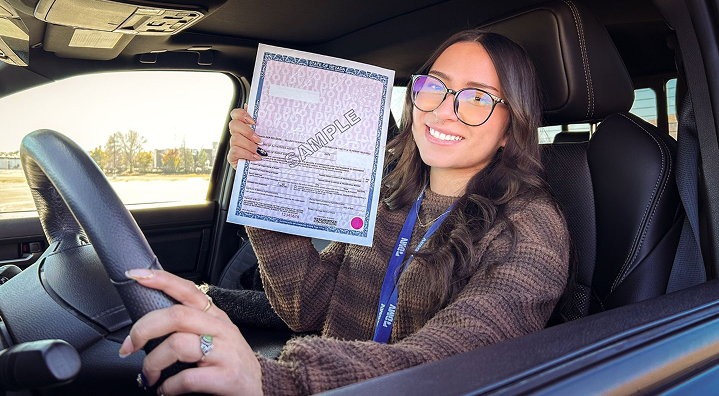
Vehicle Title and Ownership
Complete information about Nevada vehicle title requirements, duplicate titles, odometer disclosure laws, and ownership transfers. Use this guide to navigate the title process efficiently.
New residents, private party and out-of-state vehicle purchases or leases can title their vehicles online through Turbo Title.


Title Requirements
Required Documents

Title
Manufacturer Certificate of Origin (if applicable)
Dealer Reassignment (if applicable)
Lien Release (if applicable)
Proof of Sale (if applicable)

Application for Duplicate Nevada Certificate of Title (if applicable)
VIN Inspection (if applicable)

Fees
Complete change of ownership on any vehicle
$28.50Duplicate Nevada Certificate of Title sent to a Nevada address
$20.00Duplicate Nevada Certificate of Title sent out of state
$35.00Add/Drop Legal Owners without a complete change of ownership
$20.00Change an out-of-state title to Nevada with no change of ownership
$20.00Duplicate Title

Out-of-State Titles
If your vehicle is titled in another state, you must obtain a duplicate from that state. See 50 State DMV Links

Vehicle with Lien
If there is a loan, lease or other lien on the vehicle, you must contact the lienholder. The lienholder is responsible for ordering a printed title after you have satisfied the lien. Alternately, they may complete a Lien Release and you may submit this with an Application for Duplicate Title.

Nevada Titled Vehicle (No Liens)
If your vehicle was last titled in Nevada and there are no liens, you may mail the application or apply in person at a DMV office. Make an Appointment in our metropolitan offices. Your title will be mailed in approximately 2-3 weeks.
Required Forms
Application for Duplicate Nevada Certificate of Title (VP 012)
This form is for use only if the vehicle was last titled in Nevada. If you are not sure whether your vehicle is titled in Nevada or if you do not have all of the information requested, Contact the Records Section for instructions.
Payment Authorization Form (ADM 205) - To pay by credit or debit card
Lien Release (VP 186) - Releases ownership interest held by a financial institution
Odometer Disclosure Law
The National Highway Traffic Safety Administration requires odometer disclosures until vehicles are 20 years old, beginning with vehicles of the 2011 model year. The previous rule was 10 years. 2011 vehicles will become exempt from odometer disclosure in the year 2031. 2012 vehicles will be exempt in 2032 and so on.

New Federal Odometer Law
You must complete the Odometer Reading section of the title on any 2011 or newer vehicle at the time of sale or transfer into a trust.
2011 Model or Newer
You must enter the current mileage in the Odometer Reading section of the title upon sale of the vehicle.
2010 Model or Older
You may check the exempt box on the title.

Mileage Disclosure Requirement
You must disclose the mileage even if the title says “Exempt - Model year over 9 years old.”
The seller must provide the buyer with a paper title for vehicles 2011 and newer. A Bill of Sale and Application for Duplicate Title or a non-secure Power of Attorney will not be accepted.
Restrictions for 2011 and Newer Vehicles
- Vehicle ownership transfers using a bill of sale and application for duplicate title and/or multiple bills of sale will not be allowed
- Multiple private party sales will not be allowed
- Use of a non-Secure Power of Attorney for a vehicle sale will not be allowed


Title Transfer & Ownership Guide
Scenario 1: You Own the Vehicle Outright (No Lienholder)

Odometer: For all 2011 or newer vehicles, the Odometer Reading section of the title must be completed, even if the title says the vehicle is exempt due to age.
1. Sign the Title
- As the Seller: Sign the title exactly as your name appears now.
- As the Buyer: Print the new name(s) in the buyer section exactly as they appear on your driver's license.
Who needs to sign?
AND Designation
If the title says 'person 1' AND 'person 2', both parties must sign it.
OR Designation
If the title says 'person 1' OR 'person 2', either person can sign alone.
For Non-Operational Vehicles
If the vehicle is not registered or not operational, you may change the title only without obtaining insurance, a smog check or registration. Bring the title to a DMV office.
2. Prepare Your Documentation
Required Items to Bring
Registration: Bring your current registration slip.
Insurance: You must have Nevada liability insurance in the exact name(s) that will appear on the new title.
Smog Check: If required, the test must be less than 90 days old.
Legal Name Change: If you are changing your own name, bring the authorizing document (Marriage Certificate, Divorce Decree, etc.).
Note: Divorce decrees must specifically award the vehicle to you by its VIN.
3. Visit the DMV
Bring your documents to a DMV office to re-register. You will receive credit for the unused portion of your current registration.
- Non-operational vehicles: If you aren't driving the car, you can update the title only without insurance or a smog check.
Quick Summary Checklist
| Document Needed | Title Only (Non-Operational) | Full Re-Registration |
|---|---|---|
| Original Title | Yes | Yes |
| NV Insurance | No | Yes |
| Smog Check | No | Yes (if >90 days old) |
| Name Change Docs | Yes | Yes |
Scenario 2: You Are Still Paying Off a Loan (With Lienholder)

Important Legal Notice: If a bank or lender holds your title, you must get their approval first. Subleasing or “take-over payment” arrangements are illegal.
1. Contact Your Lender: Ask them to approve the name change. They may require you to refinance or sign a Power of Attorney.
2. Lender Paperwork: The lienholder must apply for the new title. They will provide you with a letter, including your VIN, stating they are processing the change.
3. Update Registration: Bring the Lender Letter, your current registration, and a new smog check, if needed, to the DMV to update your plates.
The transfer of a vehicle after the owner’s death is typically handled through:
- A family trust, or
- Probate proceedings, if either applies.
Please Contact Us with the vehicle details and VIN to determine which documents you will need.
No Trust or Probate?
If there is no trust or probate, heirs may claim ownership using the:
Important:
- Any loan or lien on the vehicle must be satisfied before ownership can be transferred.
- Vehicle owners may also designate a Transfer on Death Beneficiary prior to death.
Transferring a Vehicle to a Family Trust
If you wish to register the vehicle, you must obtain Nevada liability insurance in the same name(s) which will be on the new title and registration. If your vehicle requires a smog check, you must have a new test done if the last one is more than 90 days old.
1. Clear the Change with Your Lender
- Lender Requirements: They may require you to refinance the loan or sign a Power of Attorney.
- The Process: The lender will apply for the new title and provide you with a letter, including the VIN, confirming they are handling the transfer.
- Alternative: You may pay off the loan, satisfy the lien, entirely before transferring the title into the trust.
2. Match Your Insurance
To comply with Nevada Liability Insurance Validation Electronically (NV LIVE), your insurance must be updated to match the new registration.
Option A
Add the name of the insured Trustee to the registration and title.
Option B
Have your insurance company report the vehicle specifically in the name of the Trust.
- Important: The name on your Nevada Evidence of Insurance must match either the Trustee’s name or the Trust’s name exactly.
3. Check the Name Length
- Character Limit: The name of the Trust on the title and registration is limited to a maximum of 50 characters.
Bring these items to a DMV Office to complete the transfer:
Ownership Proof: Original Vehicle Title or the formal Lienholder Letter.
Current Registration: Your most recent registration slip.
Nevada Evidence of Insurance: Updated to match the Trust or Trustee.
Trust Documents: A completed Trustee Appointment and Powers Affidavit (VP 188) OR court-certified trust documents.
Tax Exemptions (if applicable): If you have a Governmental Services Tax Exemption, Veterans, Blind, etc., you must file a Trust Affidavit for Exemptions (VP 242) .
Buying a vehicle from a private party requires due diligence to ensure you can legally own and register the car in Nevada.
The Golden Rule: Title Required: Do not purchase a vehicle from a private party unless the seller can provide a title in their name. A Bill of Sale by itself is not an acceptable proof of ownership for registration.
If You Don't Have a Title
If you have already purchased a vehicle and do not have a title or adequate proof of ownership:
- Visit a DMV Office: Bring all documentation you have. We will provide instructions on how to locate and contact the previous owner.
- Bonded Titles: If you are unable to contact the previous owner, you may be eligible for a Bonded Title.
- Record Search: You must apply through the DMV Records Section to verify that no Nevada title exists or to see if a title was issued to another entity.
Application for Individual Record Information (IR 002) – Complete and mail
Buyer’s Protection Checklist:
- Match Names Ensure the seller’s name on their ID matches the name printed on the front of the title.
- Check for Liens Verify there are no outstanding liens, unpaid loans, on the vehicle.
- Signatures Ensure the seller signs the title correctly in the appropriate “Seller” section.
- Odometer Disclosure For vehicles year 2011 or newer, ensure the odometer reading is accurately documented on the title.
- No "Bill of Sale Only" Deals Never accept a transaction that does not include the physical title.
Publications and Contacts
Financial institutions and others who need more information on Nevada title requirements should review the guides below and contact us.
(Section VII has information for financial institutions.)
(Instructions on forms and procedures. See also Salvage Vehicles.)
DMV Title Research
Location
555 Wright Way, Carson City, NV 89711

Hours
8:00 am to 4:00 pm

Phone
(775) 684-4810 in Reno/Carson City
(702) 486-4368 ext. 3 in Las Vegas
More About Titles

Loan Payoffs and Lease Buyouts
Submit your title release or buyout documents to the NV DMV to update your ownership records and remove lienholders.
Lien Payoffs & Buyouts Info

Bonded Vehicle Title
If you cannot obtain a title from the previous owner, you may be eligible to secure a Bonded Title through the DMV’s Title Research Section.
Bonded Title Requirements
Flood-Damaged Vehicles
If your previous plate is available, you can request to use it again when registering your vehicle.
Get A Previously-Issued Plate Number
Salvage Vehicles
In Nevada, a vehicle is declared “Salvage” if repair costs exceed 65% of its fair market value or if it has been submerged in water above the door sill.
Salvage Vehicle Guide
Vehicle Beneficiary Transfer on Death
Nevada allows you to designate a beneficiary to receive your vehicle automatically upon your passing, avoiding the delays of probate court.
Transfer on Death Info
Electronic Lien and Title
Streamlining vehicle titling by allowing lienholders to securely exchange title and lien information electronically with the Nevada DMV.
Read ELT RequirementsTitle Designs
The Nevada DMV follows the latest national standards to make vehicle titles more secure and less vulnerable to fraud. Here are various title designs going back to 1996.
Legal Name Requirements
State law requires residents to list and sign their full legal name on all DMV documents including vehicle titles. This is reflected in designs since 2006 and vehicle owners are required to list their Nevada driver license number as well.
Security Features
Since 2006
- Full legal name required
- Nevada driver license number required
- Enhanced security paper
National Standards
- Fraud-resistant materials
- Watermarks and security features
- Regular design updates
Regular Design Updates
Click to view full size
Placeholder content. Click to view full size.
Placeholder content. Click to view full size.
Placeholder content. Click to view full size.
Placeholder content. Click to view full size.
Placeholder content. Click to view full size.
Placeholder content. Click to view full size.
